
Palm Oil: A Strong Trend Amid Weak Demand Original
by Lin Tiao Xian, Shidao Enterprise Management November 28,202512:23
Palm oil is the largest variety of global oils and a major export product for Southeast Asia, including Indonesia, Malaysia, and Thailand. The main consumption regions of palm oil are India, China, and the EU. Influenced by price and dietary habits, India is the world's largest consumer of palm oil.
1.Global Production and Supply Landscape
1.1 Production continues to grow.
Global palm oil production is expected to reach 78 million tons in 2025, a year-on-year increase of 3.5%, mainly due to stable weather in major production areas such as Indonesia and Malaysia. Specifically: ·
Indonesia: Production is expected to be around 48 million tons (61% of the global total), driven by expanded mature plantation areas; ·
Malaysia: Production is expected to be around 19 million tons (24% of the global total), with increased yield per unit area but growth constrained by labor shortages.
1.2 High supply concentration:
Indonesia and Malaysia together account for over 85% of global exports, with their policies and weather conditions significantly impacting supply.
2. Consumption and Demand Dynamics
2.1 Stable Food Demand
Global palm oil consumption is approximately 76 million tons, with major consuming countries including: India: Imports account for 18% of the global total, with demand boosted by holiday season purchases; China: Annual imports are about 5 million tons, with food processing being the dominant demand.
2.2 Industrial demand for biodiesel
Indonesia's B40 policy: mandatory blending of 40% biodiesel, consuming about 12.6 million tons of palm oil annually; ·
EU emission reduction target: 42.5% renewable energy by 2030, palm oil-based biodiesel demand increases by 8% annually.
Supply and demand data: USDA, SPPOMA; Price and inventory: MPOA, ITS/AmSpec; Policy developments: APROBI, European Commission.
3 Inventory and Supply-Demand Balance
2025 Global Palm Oil Supply-Demand Balance Table Regional Inventory Levels Year-on-Year Changes Key Influencing Factors Global 15.589 million tons ↑349,000 tons Regional Production Increase Coupled with Weak Exports Malaysia 2.6 million tons (estimated) ↑16% November Exports Declined 18.8% Month-on-Month Indonesia 2.46 million tons ↑12% Fuelwood Policy Supports Domestic Demand Note: Inventory Pressure Main Causes November Malaysian production increased 5.49% month-on-month, but exports contracted due to slowed EU procurement and weakened Indian demand.
4 Price Trends and Drivers
4.1 Recent price fluctuations ·
The main contract of Malaysian crude palm oil (FCPO) was quoted at RM4,041 / ton (about US $978 / ton), up 0.3% month-on-month; · The spot price spread of domestic soybean palm oil narrowed to 650 yuan/ton, and the cost performance advantage of palm oil weakened.
4.2 Core price drivers ·
Negative factors: · High inventory in producing areas (Malaysia's inventory has increased to 2.6 million tons); · The extension of the EU's Deforestation Act (EUDR) to 2027 will restrain the purchasing intention in the short term.
Positive support: · Indonesia's B50 policy expectation (to be implemented in 2026) may add 2 million tons of domestic demand; · South American soybean production reduction pushes up soybean oil prices, indirectly supporting palm oil (not very realistic, as South America has been included in China's major soybean supply countries in recent years, with Brazil reaching over 170 million tons, and production continuously setting records).
5. Future Outlook and Risk Projections
5.1 Short-term Trends
The December production cut season may ease inventory pressures if Indonesia's rainfall disrupts harvests or Malaysia's floods persist. However, weak demand (particularly from the EU) could keep prices low.
5.2 Long-term changes ·
Indonesia's B50 policy: If implemented in 2026, it will squeeze export supply and reshape the global pricing logic (the main impact factor, affected by the electrification of automobiles, may weaken this part of the impact); ·
China's demand recovery: the recovery of catering consumption may drive the increase of imports.
Risk alert: Extreme weather in Southeast Asia, the EU's green tariff policy, and the rebound in South American soybean production all pose potential volatility risks.
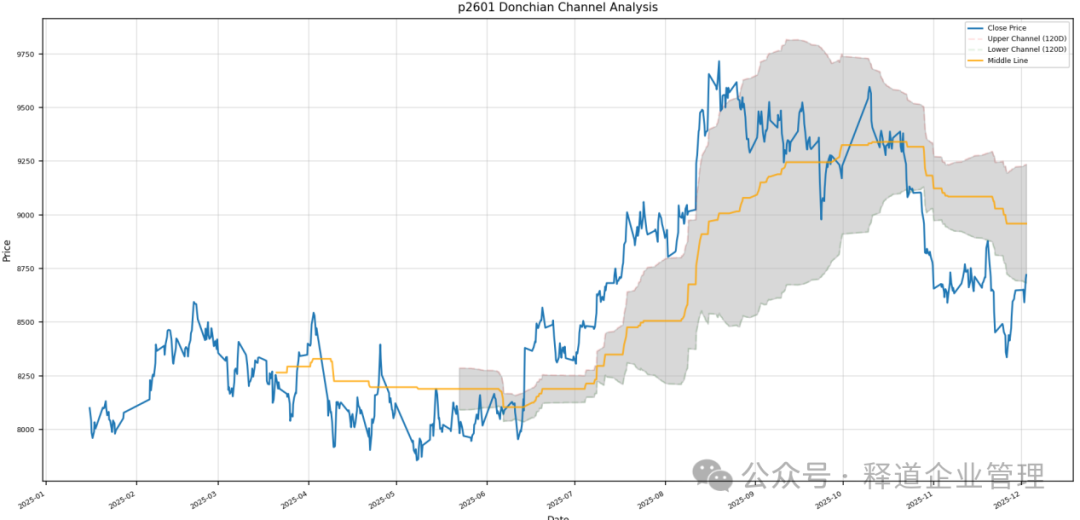
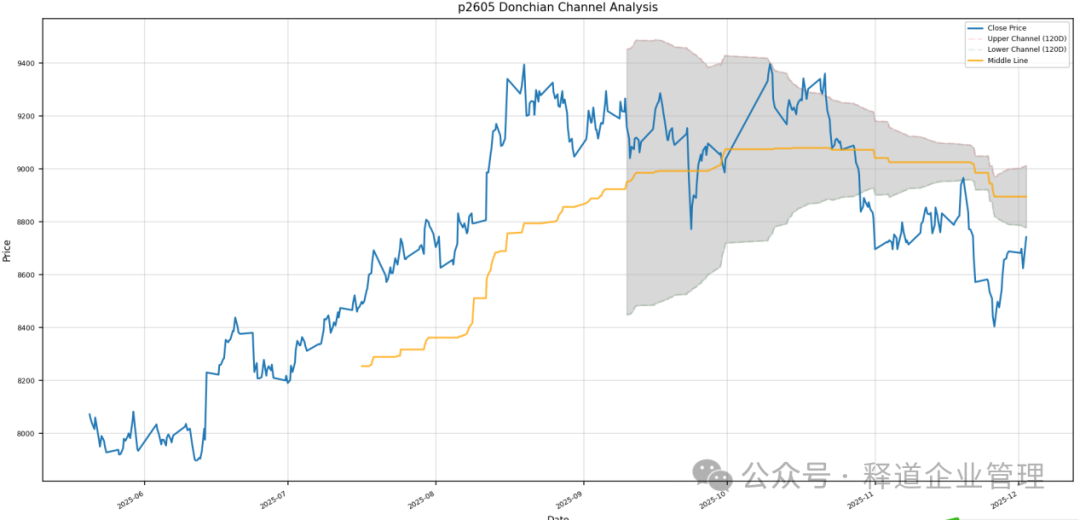
Compare the three-year 01/05 main contract (24~26) 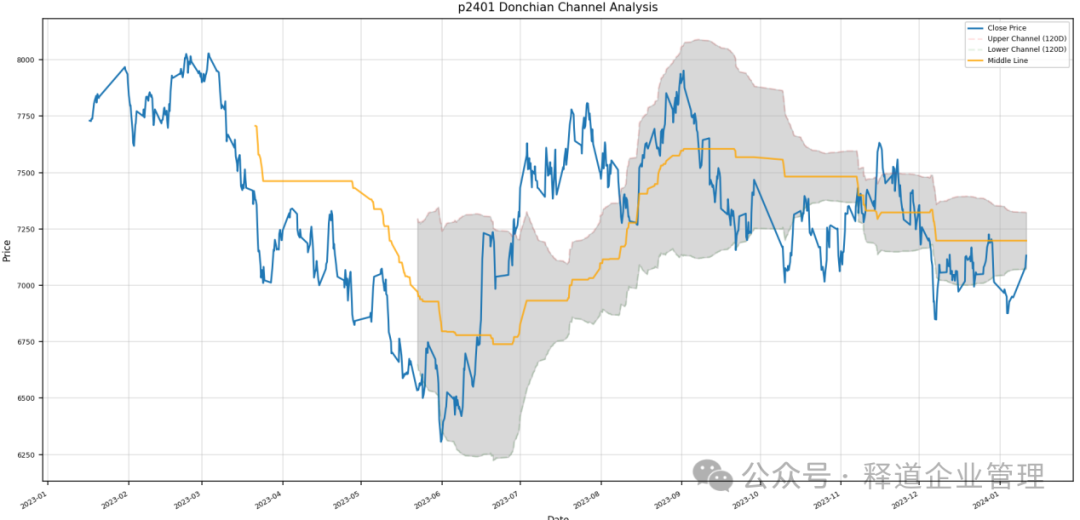
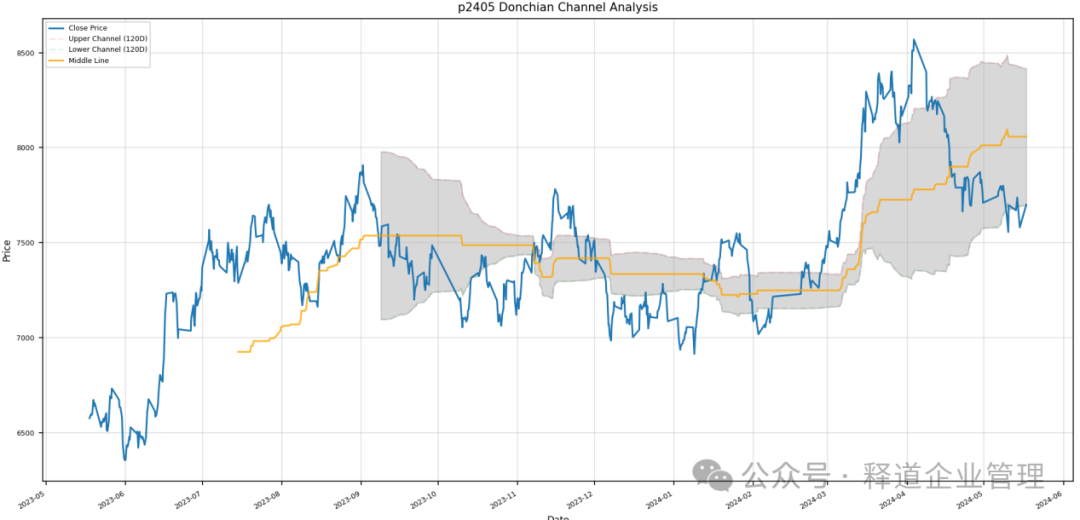
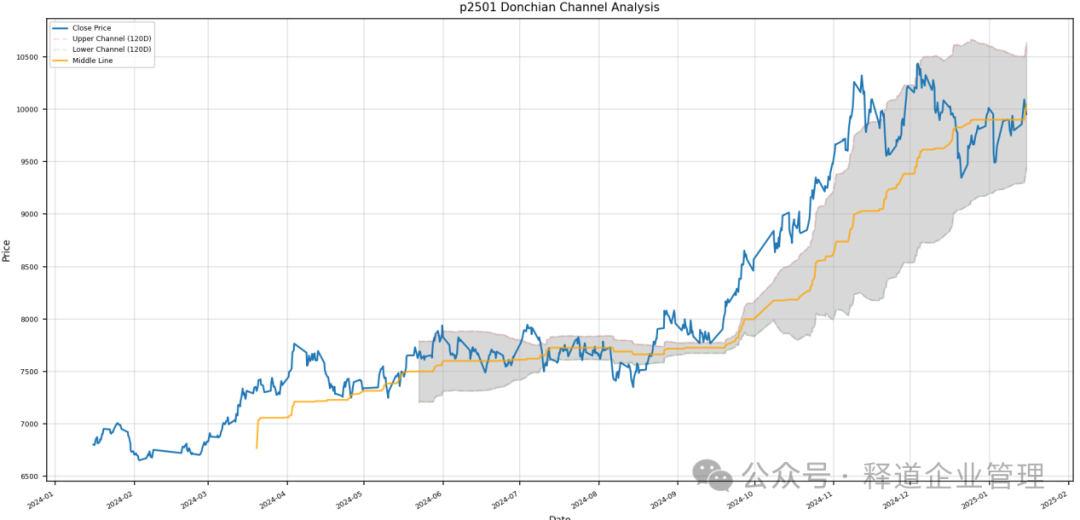
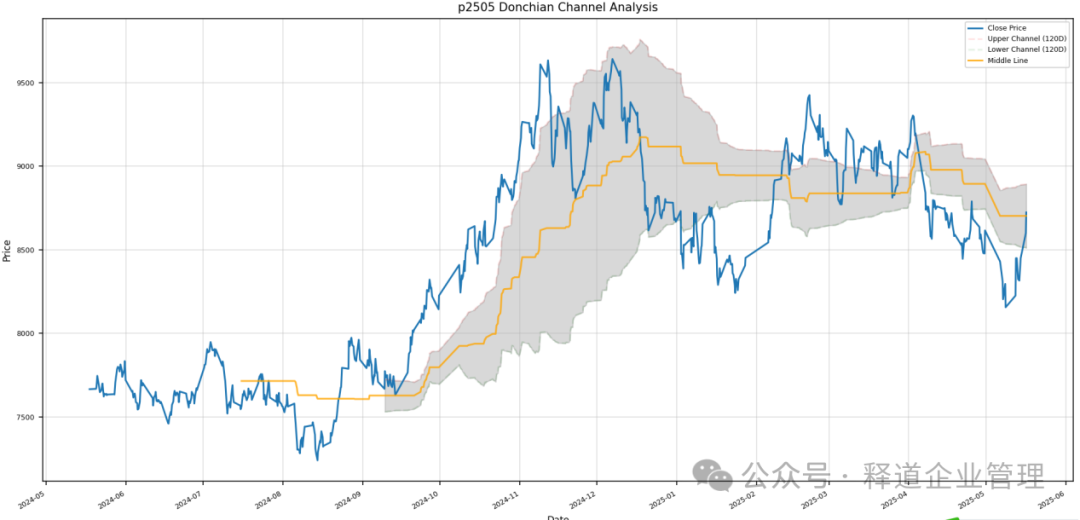
7 Impact of Futures and Spot Markets
Over the past three years, palm oil prices have surged from a low of 6,500 yuan per ton to nearly 9,600 yuan per ton. However, alternative oils like soybean and rapeseed oil (among the three major edible oils, palm oil is the largest traded variety, while soybean oil is primarily consumed domestically through domestic processing, with annual production nearing 18 million tons) have gained traction. This trend stems from bumper soybean harvests in North and South America, prompting Brazilian farmers to expand soybean cultivation. Currently, half of the oil market's price is tied to biodiesel. Southeast Asian countries like Indonesia and Malaysia aim to export palm oil at premium prices, but with alternatives available, they can maintain market stability—especially in futures markets—while palm oil remains largely unused in mainland China and Europe (mainly applied in food industries). With palm oil prices surpassing soybean oil, imports have dropped from a peak of 6 million tons annually to under 3 million tons, with soybean oil becoming the primary substitute. Notably, India's imports haven't significantly decreased. To boost market confidence and prices, Indonesia introduced the B40 and B50 blending programs, clearly aiming to support the palm oil industry chain. The market's bullish forces now hold the upper hand, and the ultimate determinant of market dynamics lies in price trends!
Data sources and timeliness notes ·
Supply and demand data: USDA, SPPOMA; ·
Prices and inventories: MPOA, ITS/AmSpec; ·
Policy developments: APROBI, European Commission.
(As of November 28,2025)

Add: Rm. 604, Building 3, No. 188, Aona RD., (Shanghai) Pilot Free Trade Zone,China
Phone: +86-021-50350029
Email: marketing01@newayphc.com


 ENGLISH
 简体中文
简体中文